


Keeled Otocinclus - Oxyropsis carinata Fish Profile & Care Guide
Introduction
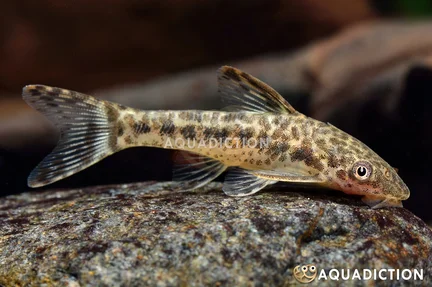
The Keeled Otocinclus (Oxyropsis carinata) is a small loricariid catfish native to the Amazon Basin, where it inhabits flowing rivers and tributaries, living as a bottom-oriented grazer and surface-picker rather than an active open-water swimmer. Highlighting its natural habitat helps hobbyists replicate the conditions it prefers in their tanks.
The Keeled Otocinclus is a “social grazer” rather than a strict shoaler. They are typically more confident and visible when kept in small groups of 4 or more, spreading out across wood and rock while foraging, and you are more likely to see natural interactions and calm day-to-day activity. Kept singly, they can become shy, spend longer tucked away, and may be slower to settle, especially in brighter or busier community tanks.
The best tankmates for Keeled Otocinclus are peaceful, non-competitive species that will not dominate the bottom level or constantly disturb perching and grazing spots. Avoid large, pushy fish and anything that will outcompete it relentlessly for food, because this species relies on steady access to biofilm and small foods rather than aggressive feeding bursts. Calm tetras and similarly gentle midwater fish are usually a safer direction than boisterous cichlids or fast, food-competitive bottom dwellers.
For Keeled Otocinclus, focus the setup on stable conditions and plenty of natural grazing surfaces. Provide plenty of hard surfaces and wood for biofilm to develop, along with shaded retreats and broken sight-lines so they can feel secure. Strong filtration and consistently clean, well-oxygenated water are important for long-term success, and a mature setup is a real advantage because it naturally provides the continuous “pick and graze” feeding pattern these fish are adapted to. Aim for a calm-to-moderate current with areas of slack water, and keep décor practical rather than overly planted if it reduces grazing space or makes maintenance harder.
Availability
The Keeled Otocinclus is avilable from the following marketplace shops.
 Fins House
Photos


Sexual Dimorphism
Sexing Keeled Otocinclus is difficult because clear, species-specific differences are not well documented in aquarium references, and males and females often look very similar at a glance. In line with other closely related “oto-type” loricariids, any visible cues tend to be subtle and may include small changes around the fins, such as faint bristle-like growth (odontodes) or minor pelvic/pectoral fin differences as the fish mature. Still, these traits are not consistently described for O. carinata and can be easy to miss. For most keepers, the most dependable “confirmation” comes from observing behaviour in a settled group, particularly courtship and spawning, rather than relying on appearance alone.
Quick Facts
| Scientific Name | Oxyropsis carinata |
|---|---|
| Year Described | 1879 |
| Kingdom | Animalia |
| Classification | Actinopterygii |
| Order | Siluriformes |
| Family | Loricariidae |
| Genus | Oxyropsis |
| Origins | Peru Brazil Colombia |
| Approx Max Size | 8 cm |
| Temperament | Peaceful |
| Aquarium Level | Bottom |
| Difficulty | Beginner - Intermediate |
| Shoaling | NA |
| Best kept as | Groups 5+ |
| Diet & Feeding | Omnivore |
| Reproduction | Egg Depositor |
| Average Lifespan | Up to 5 Years |
Water Parameters
| Water Type | Freshwater |
|---|---|
| pH | 6.0 - 7.5 |
| GH | 2 - 8 |
| KH | 1 - 4 |
| TDS | 20 - 100 |
| ℉ | 68 - 77 |
|---|---|
| ℃ | 20 - 25 |
Natural Habitat
The Keeled Otocinclus is a freshwater loricariid native to South America, with records centred on the middle and upper Amazon Basin and its tributaries. You will find these Otos within Amazon drainage systems in countries including Brazil, Colombia, and Peru, where they live as bottom-associated species in flowing river and tributary habitats.
Breeding
Breeding behaviour in Keeled Otocinclus is not well documented in the aquarium hobby, and there are no widely published, repeatable captive-breeding accounts for the species. What is known suggests that, if it does spawn in captivity, it is likely to follow the pattern typical of closely related “oto-type” loricariids: brief courtship followed by the placement of small, adhesive eggs on firm surfaces such as leaves, wood, rockwork, or even the aquarium glass, rather than using caves. After spawning, there is little to no parental care, so eggs and newly hatched fry are vulnerable in community tanks and often require protection to be raised successfully.
Diet & Feeding
Keeled Otocinclus is a grazing loricariid that spends much of its time picking at surfaces for biofilm and plant-based matter rather than “charging” into open-water feeds. In captivity, it should not be expected to live on whatever algae happen to appear in the tank; it does best when a mature aquarium provides constant natural grazing, and you back that up with appropriate supplementary foods. References that cover the species and closely related Oxyropsis commonly describe a diet centred on vegetable matter and algae-based foods, with additional acceptance of tablet foods and small live or frozen items as occasional extras.
Other Otocinclus



Published: 09 Feb 2026
Last Updated: 09 Feb 2026