

Broad Stripe Zebra Otocinclus - Otocinclus sp. "Zebra Yarapa" Fish Profile & Care Guide
Introduction
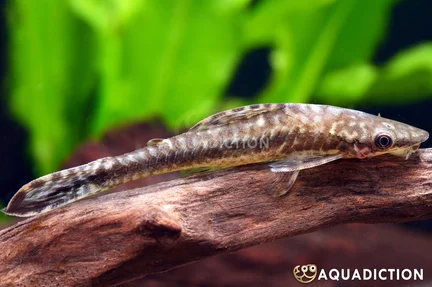
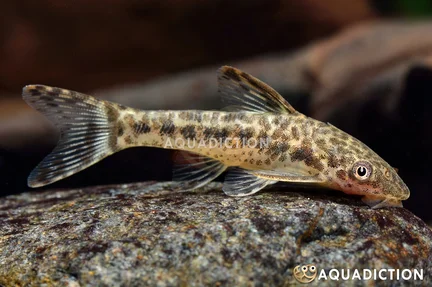
The Broad Stripes Zebra Oto (Otocinclus sp. “Zebra Yarapa”) is an eye-catching dwarf loricariid catfish collected from the Yarapa River region of the Peruvian Amazon, a blackwater tributary connected to the Ucayali and Amazon systems. This fish is not yet formally described as a separate species. Like other Otos, it stays small, has a sucker mouth and bony plates, and spends most of its time grazing on biofilm and algae on leaves, wood and hardscape, which is why it is so popular as an algae grazer for well-established planted aquaria.
In nature and in the aquarium, Broad Stripes Zebra Otos are strongly shoaling fish. Wild otos are reported to form dense groups that browse submerged surfaces together, and individuals show more confident behaviour when kept with conspecifics than when alone. In a group, they form loose feeding parties that work their way steadily across plant leaves, driftwood and glass, pausing frequently to rest on broad leaves or sheltered surfaces. Kept singly or in very small numbers, they are noticeably shyer, spend more time hiding and are more prone to stress, so they are best treated as social community fish that should always have a reasonable number of their own kind around them.
Suitable tankmates for Broad Stripes Zebra Otos are other small, peaceful species that will not bully them or outcompete them at feeding time. Calm schooling Tetras, Rasboras, Pencilfish and similar midwater characins, along with small Corydoras and other non-aggressive bottom dwellers, make ideal companions. Dwarf Apistogramma-type Cichlids can work in more advanced community setups, provided they are not overly territorial and the aquarium has plenty of cover. Large, predatory fish, boisterous cichlids, fin nippers and heavy-bodied plecs that compete for the same algae food sources are best avoided, since Zebra Yarapa otos are small, gentle and easily intimidated.
In terms of aquarium requirements, Broad Stripes Zebra Otos do far better in mature, stable tanks rather than new setups. They need an environment with abundant natural biofilm and soft algal growth on plants, wood, and décor, so a densely planted aquascape with good lighting and well-seasoned hardscape is ideal. A fine or smooth substrate helps protect their delicate undersides as they cling and graze, and the layout should provide shaded retreats among roots, branches and broad leaves, since otos generally come from structurally complex shorelines with marginal vegetation.
Moderate water movement and efficient filtration are important to keep oxygen levels high and waste very low, and they respond best to small, regular water changes rather than large, abrupt ones. As with all Otocinclus, they should never be relied on to live solely on algae; once settled, they need frequent small offerings of appropriate sinking foods and vegetable-based items to supplement the natural growth in the tank.
Availability
The Broad Stripe Zebra Otocinclus isn't avilable any of our marketplace shops, want to be the first to offer it?.
Photos


Sexual Dimorphism
Sexual dimorphism in Broad Stripes Zebra Otos appears to follow the same general pattern seen in other Otocinclus species, although there is very little species-specific documentation, and the differences are subtle rather than dramatic. In mature groups, females are typically a little larger and noticeably fuller in the body, especially when viewed from above or from the side when they are full of eggs. Males tend to stay slightly slimmer and more streamlined, with a narrower abdominal profile. This size and girth difference is usually the most practical way for aquarists to distinguish the sexes once the fish are fully grown and in good condition.
As with related otos, there may also be small anatomical differences around the vent region, where males can show a more pronounced genital papilla than females, but this is difficult to see without close inspection and is not a reliable everyday method for most keepers. Colour pattern in Broad Stripes Zebra Otos does not show any consistent, marked difference between males and females, and both sexes share the same striking “zebra” banding. Because the dimorphism is subtle, sexing is best done by comparing several adult fish side by side in a well-fed group, looking for the combination of slightly smaller, slimmer males and slightly deeper-bodied females rather than expecting bold, obvious visual cues.
Quick Facts
| Scientific Name | Otocinclus sp. "Zebra Yarapa" |
|---|---|
| Kingdom | Animalia |
| Classification | Actinopterygii |
| Order | Siluriformes |
| Family | Loricariidae |
| Genus | Otocinclus |
| Origins | Peru |
| Approx Max Size | 4.5 cm |
| Temperament | Peaceful |
| Aquarium Level | Bottom - Middle |
| Difficulty | Beginner - Intermediate |
| Shoaling | Yes |
| Best kept as | Groups 6+ |
| Diet & Feeding | Omnivore |
| Reproduction | Egg Depositor |
| Average Lifespan | Up to 5 Years |
Water Parameters
| Water Type | Freshwater |
|---|---|
| pH | 6.5 - 7.0 |
| GH | 2 - 10 |
| TDS | 50 - 130 |
| ℉ | 70 - 79 |
|---|---|
| ℃ | 21 - 26 |
Natural Habitat
In the aquarium trade, the Broad Stripes Zebra Oto is linked to populations of Otocinclus cocama collected from the Yarapa River area in the Peruvian Amazon. The Yarapa is a smaller tributary connected to the lower Ucayali system, and Broad stripes Zebra Otos is regarded as a distinctive locality form from this drainage rather than a widespread variant. In the wild, the Broad Stripes Zebra Oto inhabit the kind of shallow, vegetated edge habitats typical of Otocinclus species in general. Surveys of Otocinclus, and specifically O. cocama, report them in small tributary streams, marginal zones of larger rivers, and floodplain creeks with clear to slightly tea-stained water, moderate flow, and abundant aquatic or marginal vegetation. They graze over submerged grasses, stems, driftwood and leaf litter in sunlit or dappled areas close to the banks, often in gently flowing side channels and backwaters rather than in the primary current.
Breeding
Breeding records for the Broad Stripes Zebra Oto are very sparse, but where spawning has occurred in aquaria, it closely mirrors what is known for other Otocinclus species, including O. cocama. These fish are typical small loricariids that practice open substrate spawning with no parental care. Courtship usually involves active chasing, with males persistently following ripe females around the tank and nudging their flanks and bellies. When the female is ready to spawn, she pauses on a suitable surface, often a broad plant leaf, a pane of glass, or another smooth surface, while the male adopts a close position alongside or just behind her to fertilise the eggs as they are placed.
Rather than producing a single large clutch in one place, Broad Stripes Zebra Otos, like other Otocinclus, tend to lay small batches or even single eggs at a time, scattered around the aquarium on plants, décor and sometimes the glass. The eggs are adhesive and remain stuck to the surface where they are deposited. There is no guarding or brood care after spawning, and in a community tank, the adults and any other fish will readily eat the eggs if given the chance, which is why successful breeding attempts are usually reported from species or very lightly stocked aquaria.
Hatching is relatively quick, and the tiny fry initially cling to surfaces before beginning to move about and graze. As with other Otocinclus, they are specialised biofilm feeders and do best in very mature setups with abundant aufwuchs, algae and microbial growth to pick at, supplemented with suitably fine powdered foods. Because they rely so heavily on this natural microfilm and are sensitive to unstable conditions, deliberate breeding of Broad Stripes Zebra Otos is considered challenging, and most reported spawns are either accidental or the result of carefully maintained, heavily planted aquaria set up specifically to provide constant grazing surfaces for the adults and fry.
Diet & Feeding
The Broad Stripes Zebra Oto follows the classic oto feeding pattern as a specialist grazer of biofilm rather than a general “algae eater”. In the wild, closely related Otocinclus species spend most of their time rasping at submerged surfaces with their sucker mouths, taking in a mixture of diatoms, soft green algae, bacterial films, micro-invertebrates and decaying plant matter. They are essentially periphyton browsers, not fish that live on thick hair algae or tougher forms of growth. In the aquarium, Broad Stripes Zebra Otos will behave the same way, constantly working their way across plant leaves, wood, rocks and the glass, taking tiny mouthfuls and feeding almost continuously throughout the day.
Because of this, they should never be added to a brand-new, sterile tank or expected to survive on algae wafers alone. They do best in mature aquaria with plenty of natural biofilm and light soft algae already present. Once settled, their diet should be supported with frequent small offerings of suitable prepared foods. Good options include high-quality sinking algae wafers, spirulina-based tablets, blanched vegetables such as courgette, cucumber, spinach or green beans, and specialised “biofilm” style tablets designed for small loricariids. Many individuals will also pick at very fine foods offered for other community fish, such as crushed flake or micro-granules, but these should be treated as extras rather than the main diet.
Like other Otos, Broad Stripes Zebra Otos can be sensitive to sudden dietary changes and to starvation if the tank does not provide enough natural grazing. Newly imported specimens, in particular, are often in poor condition and may take time to recognise prepared foods, so it is important to ensure that a constant supply of gentle, graze-friendly food is available on surfaces rather than relying solely on once-a-day feeding. Offering small amounts several times a day, allowing wafers or vegetables to sit where the fish can find them, and maintaining a well-planted, stable environment with ongoing biofilm growth will give these specialist grazers the best chance to thrive in the long term.
Other Otocinclus




Published: 11 Dec 2025
Last Updated: 11 Dec 2025